
Planning a wedding means taking care of every detail to ensure a harmonious, authentic, and emotional day. Among the most important decisions is how to manage the wedding photography timeline—an essential aspect that will stay with you long after the day is over.
To create a truly meaningful collection of wedding photos, it’s not enough to hire a skilled photographer. What makes the difference is a well-thought-out photographic flow that follows the natural rhythm of the event and reflects the couple’s personality. In this guide, we’ll walk you through how to build a wedding day photo schedule that enhances each moment without being rigid or forced.
Getting ready: the quiet beginning of the story
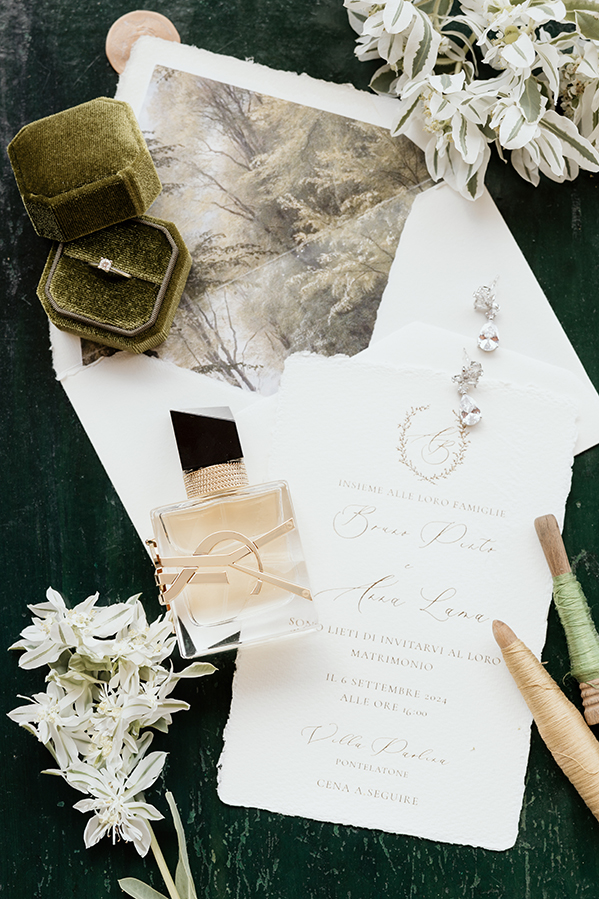
Your wedding story doesn’t start with the ceremony—it begins much earlier. The getting-ready phase is filled with anticipation, emotion, and intimate moments shared with close family and friends. This is a unique opportunity for the photographer to capture the atmosphere, the details, and the spontaneous emotions that unfold naturally.
A calm environment, good lighting, and a little time to breathe are all it takes to create beautiful, candid images. There’s no need for posed shots—just the truth of the moment, reflected in gestures, glances, and meaningful details like a handwritten note or a mother’s smile.
The ceremony: the emotional core of the day
The ceremony—whether civil, religious, or symbolic—is the emotional heart of the wedding. It’s when vows are exchanged, tears fall, hands are held tight, and promises are made. These are once-in-a-lifetime moments, and the photographer must be both present and discreet, capturing everything without disrupting the sacredness of the scene.
To ensure everything flows smoothly, an experienced photographer will often scout the location beforehand to understand the space, lighting, and angles. If you have personalized elements—special readings, music performances, or rituals—let your photographer know in advance so they can be fully prepared.
Stolen moments: a private interlude for the couple
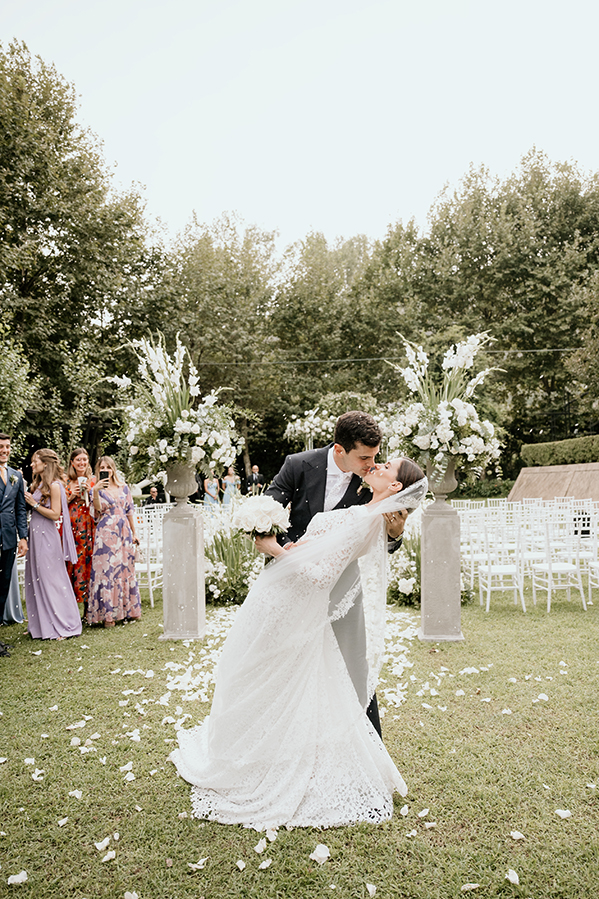
Immediately after the ceremony, there’s usually a brief but special moment just for the couple. This is the perfect time for relaxed, intimate portraits—away from the crowd and the noise. It’s also a rare opportunity to take a deep breath and let the emotions sink in.
The best couple portraits happen when the couple is simply being themselves, with no pressure to pose. Whether it’s a garden path, a quiet corner, or a scenic spot nearby, the goal is to capture your connection, your mood, and your natural chemistry—without artifice.
Family and friends: capturing the heart of your people
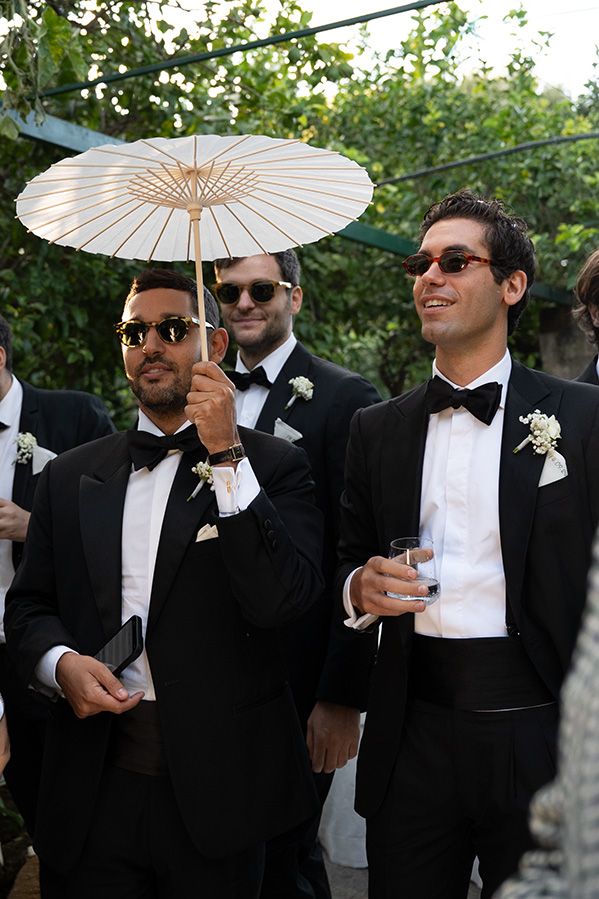
Weddings are not just about the couple—they’re about the people who love and support you. Group and candid guest photos are an important part of your visual story, not just for formal portraits, but as emotional keepsakes of laughter, hugs, and joyful reunions.
To make this process smooth and stress-free, you can pre-select a list of priority guests (immediate family, grandparents, wedding party) and organize informal groupings. Alternatively, create a designated area at the reception with good lighting for spontaneous shots with your guests throughout the evening.
What makes these photos truly memorable is not perfect posing, but authentic interactions: a spontaneous laugh, a shared joke, a warm embrace.
The reception: let the celebration speak
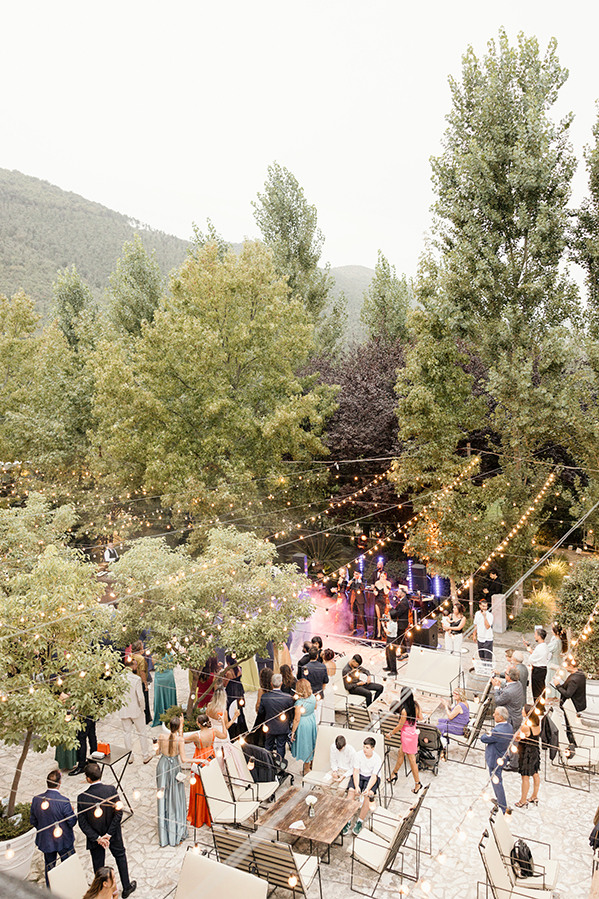
The reception is when the energy shifts—more relaxed, playful, and full of life. Between speeches, music, dancing, and surprises, the photographer becomes a quiet observer, capturing the essence of the celebration as it unfolds.
This part of the day requires flexibility and instinct. Rather than staging moments, the photographer should follow the rhythm of the party, always ready to catch candid smiles, emotional toasts, and unexpected gestures.
Let your photographer know about any special highlights during the reception—first dance, speeches, games, surprise performances—so nothing is missed. One of the most iconic moments of the evening is often the cake cutting, which deserves thoughtful lighting and setup to create a magical frame.
The value of a thoughtful photography timeline
Creating a wedding photo schedule isn’t about rigid time slots or over-planning. It’s about designing a shared understanding between you and your photographer, so they can move freely and intuitively through the day, always in tune with what matters most to you.
A well-organized timeline allows you to enjoy your day without stress, knowing that your memories are being preserved with sensitivity and professionalism. It ensures a narrative flow in your photo collection—one that truly reflects your experience, not just the chronology of events.
Photography moves at the pace of emotion
No two weddings are alike, and neither should their photographic stories be. The goal isn’t to check boxes but to tell a truthful, beautiful story—through images that hold emotional depth and meaning.
A well-planned wedding photography timeline helps you live your day with freedom and presence, while your photographer captures not just what happened, but how it felt.
If you’re looking for a photography team that will walk alongside you, understanding your rhythm and vision, we’d love to hear your story—and help you tell it, the way it deserves to be remembered.

Leave a reply